


Getting a home ready for the market involves more than fresh paint and landscaping. When listing a property in Hillsborough or Pasco County, sellers carry a legal responsibility to share specific information about the home's condition with potential buyers.
The rules governing Seller Disclosures in Lutz, FL dictate exactly what buyers are entitled to know before closing. Understanding these state and local mandates helps sellers avoid legal trouble and keeps transactions moving toward the closing table.
How Florida Disclosure Laws Work
Real estate transactions across the state operate under a legal standard established by the Florida Supreme Court case Johnson v. Davis. This ruling requires sellers to disclose any known material defects that affect the value of the property. The rule applies specifically to issues that are not readily observable to the buyer during a standard walk-through.
State law does not mandate the use of a specific written disclosure form. However, providing a standard seller property disclosure document is the standard practice among real estate professionals. Using a written record protects both parties by creating a clear timeline of what was shared and when.
A buyer's home inspection does not replace the seller's duty to disclose. Even if an inspector is scheduled to evaluate the property, the seller must still document any hidden issues they know about.
What You Have to Tell Buyers
Florida law outlines several specific items that sellers must share with buyers before signing a real estate contract. Missing these mandatory disclosures can derail a sale or lead to post-closing disputes.
These requirements cover everything from environmental hazards to community association dues. Sellers should gather their property records early to ensure they can provide accurate details on the following items:
Flood risks and insurance: Since October 2024, Florida law requires sellers to provide a mandatory flood disclosure detailing the property's flood risk and any history of flood insurance claims.
Lead-based paint: Federal law mandates that sellers of homes built before 1978 provide a lead-based paint disclosure and an EPA informational pamphlet.
HOA fees and rules: Sellers must disclose whether the property is subject to homeowner association rules, along with the current fee amounts and any pending special assessments.
Sinkholes and foundation issues: You must reveal any past sinkhole claims, foundation repairs, or related insurance payouts, even if the damage was fully repaired.
Radon gas: Florida requires a standard notification regarding the potential presence of radon gas in residential real estate.
Property Details Unique to the Lutz Area
The Lutz community spans across the boundary line of Hillsborough County and Pasco County. Because of this split, sellers must verify their specific county's property tax rates and municipal code violations when filling out paperwork. Property taxes will reset for the new buyer based on the current sale price, and sellers must provide a property tax disclosure summarizing this process.
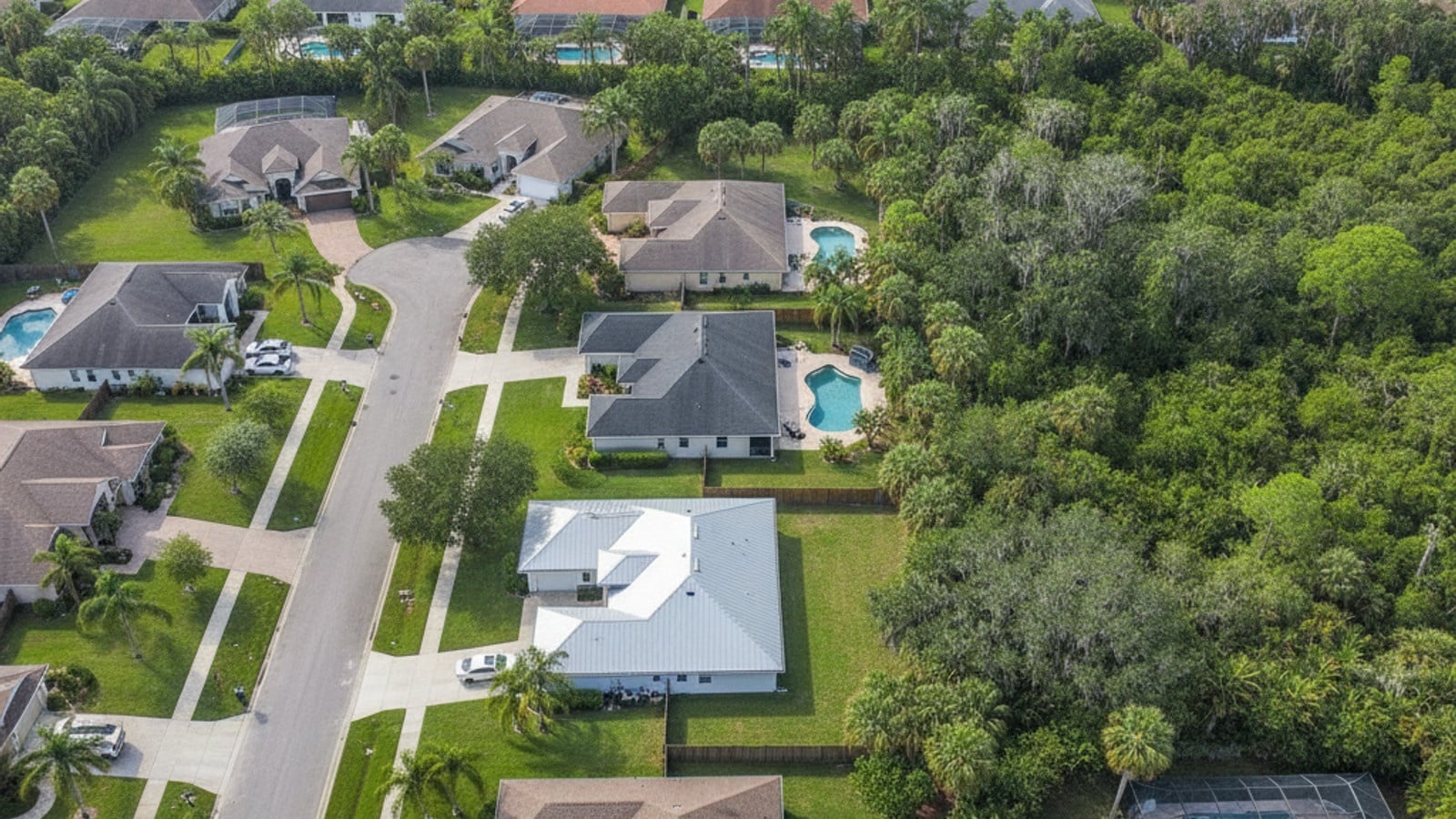
Many single-family homes in this area sit on larger lots that utilize private utilities rather than municipal connections. Sellers must disclose any known issues with private pools, septic systems, and well water equipment. If a home has experienced plumbing backups or sewer lateral line failures, those incidents must also be documented.
Buyers frequently ask for maintenance records on these major systems during the inspection period. Having those documents ready alongside your disclosure form builds trust and speeds up the buyer's review process.
How an As-Is Contract Changes the Rules
Most residential real estate in the area is sold using a standard as-is contract. Selling a house as-is simply means the seller will not pay for repairs or commit to fixing issues before closing. It does not erase the legal duty to disclose known latent defects.
Buyers still conduct a thorough home inspection and retain the right to cancel the purchase during their designated inspection period. If the seller knows about a hidden roof leak or a faulty electrical panel, they must state it upfront. Hiding the issue behind an as-is clause offers no legal protection.
By disclosing known defects early, sellers give buyers the chance to factor those issues into their initial offer. This transparency reduces the likelihood of a buyer canceling the contract halfway through the transaction.
The Financial Risks of Hiding Property Issues
Failing to disclose a known material defect exposes a seller to serious financial liability. If a buyer discovers a hidden problem after moving in, they can file a lawsuit alleging misrepresentation, fraud, or breach of contract. Courts take these cases seriously, often siding with buyers who can prove the seller knew about the damage.
If the issue surfaces before closing, the buyer will likely cancel the real estate contract and demand the immediate return of their earnest money deposit. This forces the seller to put the home back on the MLS with a newly documented defect, which often depresses the final sale price.
In a post-closing lawsuit, a judge can order the seller to pay for the necessary repairs, cover the buyer's legal costs, and pay additional damages. Being honest on the disclosure form is the most effective way to prevent these costly legal disputes.
Common Questions About Seller Disclosures
Do Florida sellers have to disclose everything?
Sellers do not need to list every minor scratch, scuff, or piece of routine wear-and-tear. The law only requires the disclosure of material defects that affect the value of the property and are not obvious to a buyer. A cracked foundation requires disclosure, while a faded bedroom carpet does not.
Do you have to disclose something you already fixed?
Past repairs for major issues like roof leaks, flood damage, or sinkholes should always be documented. Even if the problem was fully resolved, a history of major insurance claims or structural repairs is considered material information. Providing the repair invoices and warranties gives the buyer peace of mind.
Is a seller's disclosure required in Florida?
The legal duty to disclose known, hidden defects is required by state law. While Florida does not mandate the use of a specific government form for this, completing a standard disclosure document is the best way to prove you met your legal obligations. A real estate agent will typically provide this form when you sign the listing agreement.
Check out this article next