


The Four Point Inspection in Florida: What Tampa Bay Buyers Need to Know Before They Fall in Love With a Home
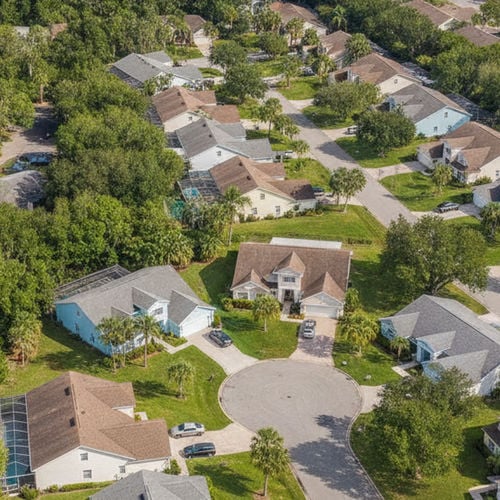
Florida has more older homes than most buyers from out of state expect to find. Neighborhoods across South Tampa, St. Pete, Clearwater, and Lutz are filled with homes built in the 1960s, 1970s, and 1980s — and those homes come with a conversation that newer construction does not require.
The four point inspection is that conversation. And the buyers who understand what it is before they go under contract are the ones who never get blindsided by it.
What a Four Point Inspection Actually Is
A four point inspection is a limited inspection of four specific home systems that insurance carriers use to evaluate the risk of insuring an older property. It is not the same as a full home inspection — a full home inspection covers everything from the structure to the appliances to drainage and pest evidence. The four point is narrower and more targeted.
The four systems evaluated are:
Age, condition, material, and remaining useful life. The roof is the single most scrutinized element. Most Florida carriers want to see a roof with at least five years of remaining life. Some require more.
Panel type, wiring type, amperage, and any visible hazards. Certain wiring types — aluminum wiring and knob and tube wiring — are red flags for insurers and can result in coverage being denied or heavily restricted.
Pipe material, supply and drain condition, and water heater age and condition. Polybutylene piping — a material widely used from the 1970s through the mid-1990s — is a known failure risk and many carriers will not insure a home that still has it in place.
Age, condition, and function of the heating and cooling system. Systems beyond their expected useful life — typically 15 to 20 years in Florida's demanding climate — are flagged and can affect insurability.
The inspector completes a standardized report on each system and the insurance carrier reviews it to decide whether to offer a policy, at what rate, and under what conditions. A passing four point is what allows the insurance binder to be issued — and without an insurance binder most lenders will not fund the loan and the closing cannot proceed.
When Is a Four Point Inspection Required in Tampa Bay
There is no single statewide law that mandates a four point inspection. The requirement comes from insurance carriers and it varies by company and underwriting guidelines. As a practical matter in Tampa Bay in 2026, most major Florida carriers require a four point inspection on homes that are 25 years or older — meaning homes built before approximately 2001.
Some carriers set the threshold at 20 years. Some at 30. A few require them on all properties regardless of age. The safest assumption for any buyer looking at an older Tampa Bay home is that a four point inspection will be required before an insurance policy can be bound.
In Tampa Bay's most established neighborhoods — South Tampa, Seminole Heights, Carrollwood, St. Pete, Dunedin, Safety Harbor, and much of Pinellas County — the majority of the housing stock was built before 2001. If you are shopping in these markets, the four point inspection is not an edge case. It is a standard part of the transaction.
The Most Common Four Point Failures in Tampa Bay
Understanding what commonly fails in Tampa Bay's older housing stock is the information that protects buyers before they fall in love with a home that has an expensive problem hiding behind the walls.
-
Roof age over 15 years. This is the most common issue in Tampa Bay. Florida's climate — heat, humidity, UV exposure, and hurricane-force wind events — ages roofs faster than in most other states. Many carriers will not bind a policy on a home with a roof older than 15 years regardless of its visible condition. A roof inspection report showing remaining life is critical and a roof that needs replacement can add $15,000 to $25,000 or more to the purchase decision depending on the size and material.
-
Aluminum wiring. Used widely in residential construction from the mid-1960s through the mid-1970s as a cheaper alternative to copper, aluminum wiring is associated with fire risk at connection points. Many Florida insurers will not write a policy on a home with aluminum branch circuit wiring or will require a licensed electrician's report confirming it has been properly pigtailed — spliced with copper at every connection point — before agreeing to provide coverage.
-
Knob and tube wiring. Found in homes built before approximately 1950 and occasionally in homes built through the early 1960s, knob and tube wiring is a significant insurance concern. It lacks a ground wire, it cannot support modern electrical loads, and it degrades with age. Most Florida carriers will not insure a home with active knob and tube wiring without remediation.
-
Polybutylene plumbing. Installed in homes built from the late 1970s through the mid-1990s, polybutylene pipe was recalled after widespread failures linked to reactions with chlorine in municipal water supplies. Many Florida carriers refuse to write policies on homes with polybutylene supply lines still in place. Replacement involves replumbing the entire supply system — a cost that typically runs $4,000 to $8,000 or more depending on the size of the home and accessibility.
-
Aging HVAC systems. HVAC systems in Florida work harder and age faster than in cooler climates. A system that is 15 or more years old is approaching the end of its typical service life in Florida and some carriers will flag it or decline to cover the home until it is replaced. A full HVAC replacement in a Tampa Bay home runs $5,000 to $12,000 depending on the system size and configuration.
-
Federal Pacific or Zinsco electrical panels. These panel brands were widely used from the 1950s through the 1980s and have well-documented failure histories. Florida carriers routinely refuse to insure homes with these panels without replacement. A panel replacement in Tampa Bay typically runs $1,500 to $3,500.
What Happens When a Four Point Inspection Fails
This is the scenario buyers and agents need to understand clearly because it is where deals fall apart — and where a prepared agent makes an enormous difference.
| Situation | What the Buyer Can Do | Timeline Impact |
|---|---|---|
| Seller agrees to repair | Negotiate a seller credit or require repairs before closing. The insurance carrier must then receive an updated four point confirming the issue is resolved. | Adds time depending on repair scope. Roof replacements can take 1 to 3 weeks. |
| Seller refuses to repair | Buyer can accept the issue and pay the cost themselves after closing, walk away using the inspection contingency, or negotiate a price reduction to offset the repair cost. | If buyer walks the contract is terminated. If buyer proceeds they accept the cost. |
| Cash purchase | A cash buyer does not need a lender and technically does not need insurance to close. However they are accepting the risk of an uninsured or difficult-to-insure property until repairs are made. | No closing delay but ongoing risk until the issue is resolved. |
| Financed purchase | Without a bindable insurance policy most lenders will not fund the loan. If the four point fails and the seller will not repair and no insurer will write a policy the deal cannot close with financing in place. | Deal may terminate if no resolution is reached before the closing date. |
Most buyers do not discover four point inspection issues until they are already under contract, emotionally committed, and within weeks of their planned closing date. The roof that needs replacement, the polybutylene plumbing, the Federal Pacific panel — these are not surprises that need to happen at the end of a transaction. They are conversations that belong at the beginning of one. The agents who know to have this conversation early are the ones whose clients never get blindsided.
What Buyers Should Do Before Making an Offer
The four point inspection can be ordered at any time during a transaction. Most buyers order it alongside the full home inspection during the inspection period. But there are steps a buyer can take before even making an offer that reduce the risk of an unpleasant surprise.
Ask the listing agent or seller directly whether there is an existing four point inspection report on the property. Sellers who have recently had one done will often have it available and reviewing it before going under contract tells the buyer exactly what they are dealing with before they are emotionally committed to the home.
Ask about the roof age. This is public information in many cases and the single most common source of four point failures in Tampa Bay. A quick question about when the roof was last replaced — and whether the seller has documentation — takes thirty seconds and can save a buyer weeks of stress.
Ask the listing agent if they are aware of any known issues with the electrical or plumbing systems. An experienced listing agent representing a seller in good faith will disclose known material defects. The answer gives buyers a meaningful data point before they make an offer.
Run the address through the county property appraiser to confirm the year the home was built. This tells a buyer immediately whether they are looking at a home likely to require a four point and approximately how old the major systems are likely to be.
The Connection to Homeowners Insurance in Tampa Bay
The four point inspection and Tampa Bay's homeowners insurance market are deeply connected and buyers who understand both are in a significantly better position than buyers who discover the relationship at the closing table.
Tampa Bay homeowners insurance premiums run $3,285 to $5,100 per year in 2026 depending on home age, location, flood zone, and the condition of the major systems evaluated in the four point. A home that passes a four point inspection with strong marks on all four systems — particularly a newer roof — can access a meaningfully wider range of carriers and lower premiums than a home with aging systems even if the asking price is similar.
For buyers calculating total monthly cost of ownership — which is the right way to evaluate affordability in Tampa Bay's market — the insurance premium is a significant variable. An older home with a roof approaching the end of its life may look affordable at the purchase price but carry a meaningfully higher insurance cost than a comparable home with a newer roof. Understanding the four point before making an offer means understanding the full picture of what the home actually costs to own.
What Tampa Bay Buyers Are Asking About Four Point Inspections
The Right Agent Brings This Conversation Up Before You Are Under Contract
At 54 Realty our agents know what to look for before a buyer falls in love with a home that has a problem worth knowing about first. That is what preparation actually looks like.
Talk to 54 RealtyCheck out this article next